Teens and Tweens Need More Food for Healthy Mind and Body
 admin
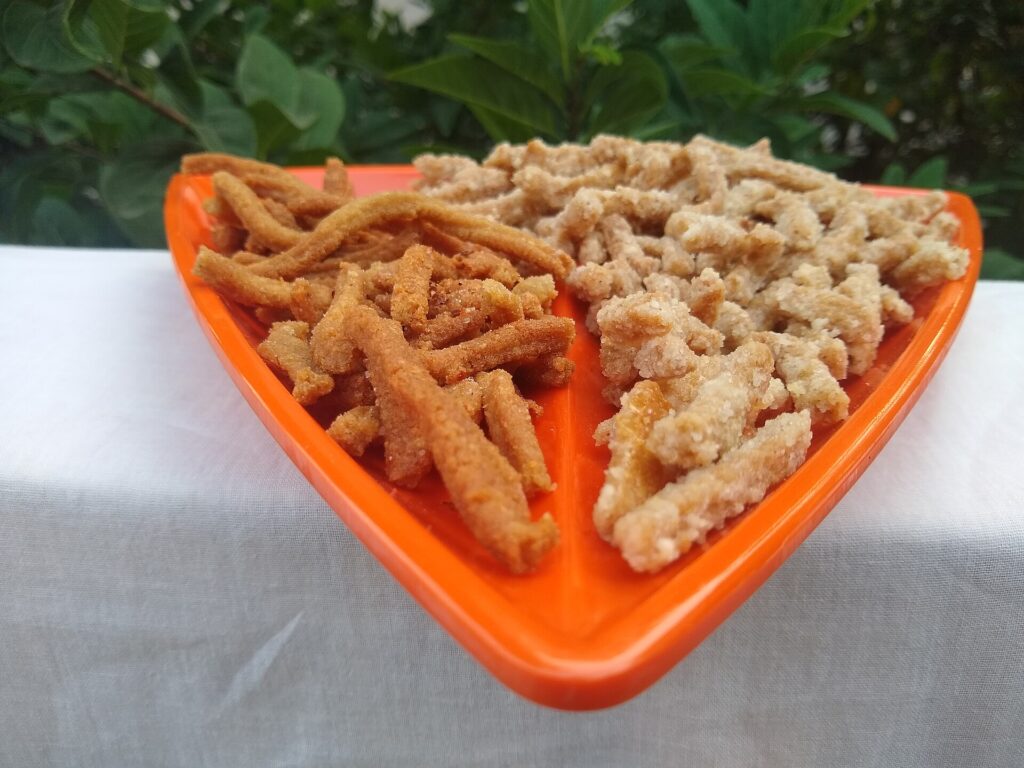

Teenagers and tweens need extra fuel to support a healthy mind and body during their biggest growth years. It can be hard for parents to know how much food is enough when their kids are growing so fast. Getting the right balance of nutrients helps with brain power and physical fitness as they move toward adulthood.
Recent news shows that young people require more energy than many adults realize. This is because their bodies are doing two big jobs at once. They are staying active and growing new bone and muscle every day. If they do not eat enough, it can affect their mood and how well they do in school. Keeping a focus on health and diet at this age sets them up for a better life later on.
Why young people need more calories than adults
It might seem strange to see a thirteen-year-old eat more than their parents. However, their bodies are working like a small engine that never turns off. Girls and boys in their teens go through huge physical changes. These changes require a lot of energy from food to happen safely and correctly.
When we talk about female weight loss and fitness later in life, we often look at eating less. For teens, the goal is often the opposite. They need plenty of protein and healthy fats to build their brains. A teenager who is very active in sports might need thousands of calories just to keep their weight steady. If you are worried about your child's growth or eating habits, it is always a good idea to talk to a doctor first.
I remember when my niece started middle school. She was suddenly tired all the time and her grades dipped. Her mom realized she was skipping lunch to get to her clubs faster. Once she started eating a bigger midday meal, her energy came back. It shows that food is not just about fuel for the gym, it is fuel for the mind too.
The link between diet and mental health in teens
A healthy diet does more than just build muscle. It actually helps kids stay happy and focused. The brain uses about twenty percent of all the energy we take in from food. For a student trying to learn math or history, that brain needs constant sugar from healthy sources like fruit and grains.
If a teen tries to follow a strict dieting plan meant for adults, they might feel sad or anxious. Their hormones are already changing, and missing out on nutrients makes those feelings stronger. We want our daughters to feel strong and capable, not hungry and weak. Providing enough snacks like nuts, yogurt, or cheese can make a big difference in their daily mood.
When kids get the right food, they sleep better too. We know that sleep is a big part of health for everyone. A hungry teen will toss and turn because their body is looking for energy. By eating a solid dinner, they can rest and wake up ready for the next day of school and play.
How to support fitness without focusing on weight
Fitness should be about what a young person's body can do, not what it looks like. Many girls feel pressure to look a certain way because of what they see online. We can help by talking about how strong they are or how fast they can run. This builds confidence that lasts a long time.
Sports and dance are great ways for tweens to stay active. These activities require even more food to keep their energy up. You can read about Female Weight Loss Without Shots Using New Research Strategies to see how adults manage health, but for kids, the focus is purely on growth. They should never feel like they need to skip meals to stay fit for a sport.
Try to keep the kitchen full of easy, healthy options. If they have a long practice after school, they need a "second lunch" or a heavy snack. This helps them recover and prevents them from feeling burnt out by the time they get home for dinner. It is all about balance and making sure the tank is never empty.
What is the best way to feed a growing teenager?
People often ask what the best foods are for this age group. The answer is usually a mix of everything. They need calcium for their bones, which are still getting stronger. They need iron for their blood, especially for girls as they get older. And they definitely need enough carbohydrates to power their busy schedules.
Instead of worrying about specific numbers, look at their energy levels. Are they participating in family activities? Do they have the energy to hang out with friends? If they are constantly exhausted, they might just need more food. You can find more information about female health and how it changes over time to understand these cycles better.
It can be helpful to involve them in the cooking. When a teen learns how to make a healthy pasta dish or a big salad, they feel in control of their health. It stops being about what "mom says" and starts being about how they want to feel. Plus, it is a great way to spend time together during those busy high school years.
Building a healthy relationship with food early on
The habits kids learn now will stay with them for decades. If they see food as a friend that helps them grow, they will have a much easier time later in life. We want to avoid talk about "bad" foods or "guilt" around eating. Every meal is a chance to give their body the tools it needs to succeed.
Sometimes, parents worry about weight gain during puberty. It is important to remember that some weight gain is a normal part of growing up. A child's body needs to store some energy before a big growth spurt. If you have concerns, a pediatrician can check their growth chart to make sure everything is on track without making the child feel self-conscious.
How do we make sure they get enough without it being a struggle? It helps to have set meal times but also to allow for snacks whenever they are hungry. A growing body does not always follow a schedule. If they are hungry at nine o'clock at night, their body is likely asking for resources to repair itself while they sleep.
Does your teen seem to have a never-ending appetite lately? It might just be their body doing the hard work of growing up. Here are some simple habits to help them stay healthy:
- Keep a bowl of fresh fruit on the counter for easy grabbing.
- Ensure they have a water bottle to stay hydrated during school.
- Include protein like eggs or beans in most of their meals.
- Encourage them to listen to their hunger cues rather than counting calories.
- Eat dinner together as a family as often as possible.
By focusing on fuel and strength, we help our children grow into healthy, confident adults. What is one healthy snack your teen actually loves to eat?
\ Get the latest news /