Female weight loss and the best time to exercise while fasting
 admin

Female weight loss depends on more than just what you eat or how hard you move. Scientists are now looking at the exact time you choose to hit the gym, especially if you follow a fasting plan. New reports show that if you fast for sixteen hours a day, the timing of your workout within your eating window changes how your body reacts.
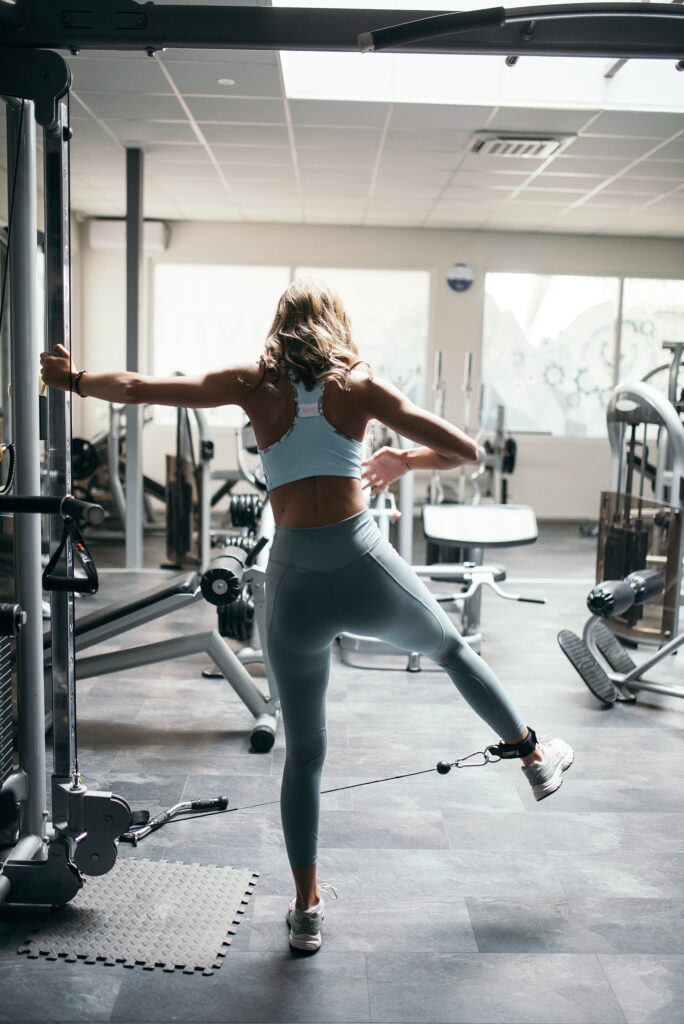
The short answer is that people who fast should try to put their weight training inside their eight-hour eating window. This helps your body use the food you eat to build muscle and keep your health on track. Doing a heavy workout while you are still in your fasting hours might not be the best choice for everyone. It is about making sure your muscles have the fuel they need when they are working the hardest.
Why timing matters for female weight loss and health
When you want to lose weight, your body needs a clear plan. Fasting has become a popular way for many women to manage their diet without feeling like they are constantly restricted. However, your body goes through different stages during a twenty-four hour period. If you exercise at the wrong time, you might feel tired or lose muscle instead of fat. This is a common worry for those trying to stay fit while eating less.
Choosing to eat during an eight-hour block gives your body a steady supply of energy. If you lift weights or do a hard fitness class during this time, your blood sugar is more stable. This can prevent that shaky feeling many women get when they push too hard on an empty stomach. A good Female Weight Loss and the Real Link to Better Sleep plan also shows that when you time your food and movement right, your rest improves too.
Think about your daily routine. If you eat your first meal at noon and your last at eight at night, your workout should ideally fall between those hours. Maybe you go for a brisk walk at one or hit the gym at five. This way, you can have a snack or a meal right after you finish. Your muscles act like a sponge after exercise, and they want those nutrients to help you recover and stay strong.

How to exercise safely during a sixteen hour fast
If you are new to fasting, you might wonder if you can still keep up with your fitness goals. The answer is yes, but you have to listen to your body. Some women find they have a lot of energy in the morning before they eat. While a light walk is usually fine, experts suggest saving the heavy lifting for later. This protects your health and ensures you do not burn out by mid-afternoon.
When you follow a standard dieting plan, you are often told to eat every few hours. Fasting changes those rules. Because you are not eating for sixteen hours, your body starts to look for other energy sources. If you do a very intense workout while fasting, your body might start breaking down muscle tissue for fuel. That is the opposite of what most women want when they try to get fit.
I once talked to a friend who tried to run five miles every morning at six before her first meal at noon. She felt great for a week, but then she started feeling dizzy and her weight loss stopped. Once she moved her run to four in the afternoon, she felt much stronger. Her body had the fuel from lunch to power the run. Small shifts in your schedule can lead to much better results over time.
What is the best way to eat for fitness and weight loss?
Eating for weight loss does not mean you have to eat bland food or skip out on things you love. It means being smart about your choices. High-protein foods are great for women who are training with weights. Things like eggs, chicken, beans, and Greek yogurt help repair the tiny tears in your muscles that happen during exercise. When you eat these during your eight-hour window, you are giving your body the tools it needs to succeed.
You should also make sure you are drinking enough water. Fasting can sometimes make you forget to hydrate because you aren't drinking with meals as often. Staying hydrated is a huge part of any female weight loss and fitness program. It keeps your skin looking good and helps your kidneys flush out waste. If you feel a headache coming on, it might not be hunger; it could just be that you need a glass of water.
Always remember to talk to a doctor before you start a new fasting plan or a very hard exercise routine. This is especially true if you have health issues like diabetes or heart concerns. A doctor can help you figure out if fasting for sixteen hours is safe for your specific body. Every woman is different, and what works for a friend might not be the right path for you. It is better to be safe and get a professional opinion first.
How can you start this routine today?
Starting a new health habit can feel like a lot of work. The best way to do it is to take one small step at a time. Do not try to change your whole life in one day. You might start by just moving your dinner an hour earlier or your breakfast an hour later. Once you get used to that, you can look at where your exercise fits into the day.
Many women find that keeping a simple log helps. You don't need a fancy app; just a notebook will do. Write down when you ate, when you worked out, and how you felt. If you notice you feel grumpy or weak on days you exercise before eating, that is a sign to change your timing. Learning to read your body's signals is a skill that will help you for the rest of your life.
It is also okay to have days where the plan doesn't work perfectly. Life happens. Maybe you have a late work meeting or a family dinner that falls outside your window. Don't worry about it. Just get back on track the next day. Consistency over a long time is what leads to real change, not being perfect for three days and then giving up. You are looking for a lifestyle you can keep, not a quick fix that makes you unhappy.
Does your current workout time help you feel energized or does it leave you feeling drained? Finding that sweet spot where you have enough energy to move and enough food to recover is the key to reaching your goals. You deserve to feel strong and healthy in your own body.
Try these simple daily habits to stay on track:
- Drink a big glass of water as soon as you wake up.
- Plan your hardest workout for a time when you have already had one meal.
- Focus on getting enough protein during your eating hours.
- Go for a ten-minute walk after your last meal of the day.
- Aim for seven to eight hours of sleep to help your body heal.
\ Get the latest news /